
Running a business in Ghana comes with many challenges. Rising operating costs, fluctuating prices, changing customer preferences, intense competition, and unpredictable sales can make it difficult for businesses to remain profitable and sustainable.
For many business owners, making decisions without accurate information can lead to unnecessary expenses, poor inventory management, ineffective marketing, and lost revenue.
But there is a way to make better decisions, identify problems early, and position your business for long term success.
Data analytics involves examining business information to discover patterns, understand performance, identify problems, and make informed decisions. Whether you operate a retail shop, pharmacy, hotel, restaurant, school, or another type of business in Ghana, analytics can help you understand your operations and improve your results.
Here are seven ways data and business analytics can help your business survive and thrive in Ghana’s competitive business environment.
1. Identify Where Your Money Is Going
One of the biggest challenges businesses face is controlling operating expenses while maintaining profitability.
Your business may be generating substantial revenue, but how much of that money remains after paying for rent, salaries, electricity, transportation, supplies, and other expenses?
Without proper financial records and analysis, it can be difficult to identify where money is being wasted or which expenses are putting pressure on your profits.
Business analytics helps you track expenses, compare costs over time, and identify areas where spending can be reduced. For example, a retail shop owner may discover that transportation costs or frequent emergency stock purchases are significantly reducing monthly profits.
With this information, the owner can explore better purchasing arrangements, negotiate with suppliers, and plan stock replenishment more effectively.
2. Understand Your Customers and Their Needs
Customers are the foundation of every successful business. However, understanding what customers want, what influences their purchasing decisions, and why they stop buying from you can be challenging.
Data analytics helps you gain insights from sales records, customer feedback, purchase histories, online enquiries, and complaints.
For instance, a pharmacy may discover that certain products are consistently in high demand during particular periods. A hotel may identify recurring complaints about customer service, room cleanliness, or booking experiences. A retailer may find that customers frequently purchase certain products together.
These insights allow businesses to improve their products, personalise customer experiences, address recurring complaints, and encourage repeat purchases.
Instead of making assumptions about what customers want, you can use evidence to guide your decisions.
3. Manage Inventory and Reduce Unnecessary Losses
For businesses that sell physical products, inventory management can significantly affect profitability and cash flow.
Buying too much stock can tie up money in products that take months to sell. Buying too little can lead to stockouts, disappointed customers, and missed sales opportunities. For businesses selling perishable goods or products with expiry dates, poor inventory management can also result in significant losses.
Business analytics helps you identify fast-moving and slow-moving products, monitor stock levels, analyse sales trends, and estimate future demand.
When combined with an effective inventory management system, analytics can help businesses make better purchasing decisions and maintain appropriate stock levels.
4. Make Smarter Pricing Decisions
Setting the right price is essential to business survival, especially when supplier prices and operating costs change.
If you price your products too high, you may lose customers to competitors. If you price them too low, you may generate sales without making enough profit to sustain your operations.
Data analytics helps you understand product costs, profit margins, sales volumes, and changes in customer demand. This information allows you to assess whether your prices are sustainable and identify products or services that contribute most to your profitability.
Pricing decisions should also consider competitors, customer expectations, and the value your business provides. Analytics supports these decisions by providing a clearer picture of your financial performance.
5. Spend Your Marketing Budget Wisely
Many businesses invest money in advertising without knowing which activities generate actual sales.
You may promote your business on Facebook, Instagram, TikTok, WhatsApp, or other platforms. However, receiving likes, views, and comments does not necessarily mean that your marketing is generating revenue.
Marketing analytics helps you measure campaign performance by examining enquiries, leads, conversions, advertising costs, and sales generated.
You can also analyse how customers discover your business and which marketing channels contribute most to customer acquisition.
The goal is not simply to spend more on marketing. It is to understand what works and use your resources where they are most effective.
6. Forecast Sales and Prepare for Difficult Periods
Business performance does not always remain constant. Sales may rise during certain seasons and decline during others. Customer demand, competition, supply costs, and other market conditions can also affect revenue.
Businesses that plan only around current sales may struggle when conditions change.
Sales forecasting uses historical business information and relevant market factors to estimate future performance. Although forecasts are not guarantees, they can help business owners prepare for different possibilities.
Forecasting can also help you plan cash reserves, manage financial commitments, and identify periods when additional marketing may be necessary.
7. Detect Business Problems Early and Stay Ahead of Competitors
Some business problems develop gradually. Profit margins may decline, customer complaints may increase, sales may fall, or operating costs may rise without attracting immediate attention.
By the time these problems become obvious, they may already have caused significant financial damage.
Business analytics helps you monitor key performance indicators, identify unusual changes, and track whether your business is moving towards its goals.
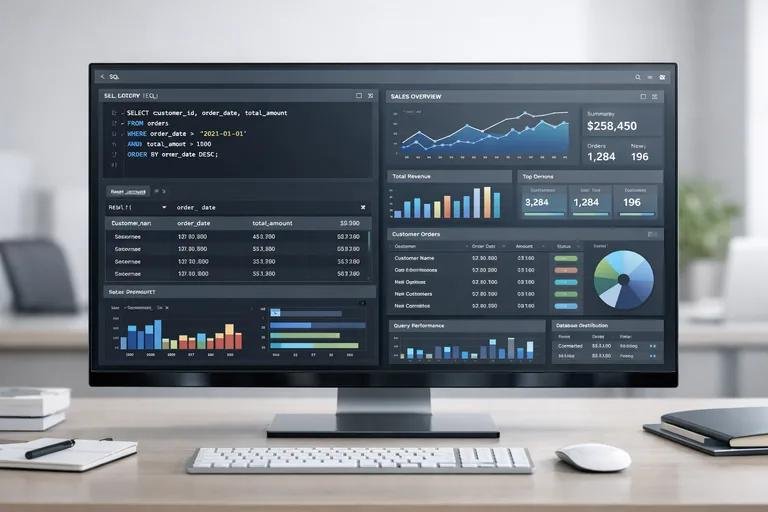
For example, a business dashboard can show monthly revenue, expenses, gross profit margins, customer retention, inventory turnover, and sales performance. Comparing these indicators over time can help you identify warning signs and investigate their causes.
Analytics can also support competitive analysis. By combining your business data with relevant market research, you can identify customer needs, evaluate new opportunities, and respond to changes in your industry.
The earlier you identify a problem, the more opportunity you may have to address it before it becomes more serious.
Conclusion: Use Data to Build a More Resilient Business
Surviving in Ghana’s competitive business environment requires more than working hard. It also requires understanding your business, managing your resources wisely, responding to customer needs, and making informed decisions.
Data and business analytics can help you control expenses, understand customers, manage inventory, improve pricing, measure marketing performance, forecast sales, and detect problems before they become serious.
You do not have to rely entirely on guesswork when making important business decisions. Your existing business records may already contain valuable insights that can help you improve performance and identify new opportunities.
The key is to move from simply collecting business information to using it to make better decisions.
Is Your Business Ready to Make Better Decisions With Data?
At DRE Binary, we help businesses turn data into actionable intelligence through data analytics, business intelligence, custom software, and AI-powered business solutions.
From interactive dashboards and business performance reports to customised software systems and intelligent automation, our goal is to help businesses understand their operations, solve problems, and make smarter decisions.
If you want to understand your business better, improve operational efficiency, and identify opportunities for growth, start putting your data to work.
Click on the link below to read more about us.
DRE Binary — Transforming Data Into Intelligence.